Expoziții itinerante și interactive

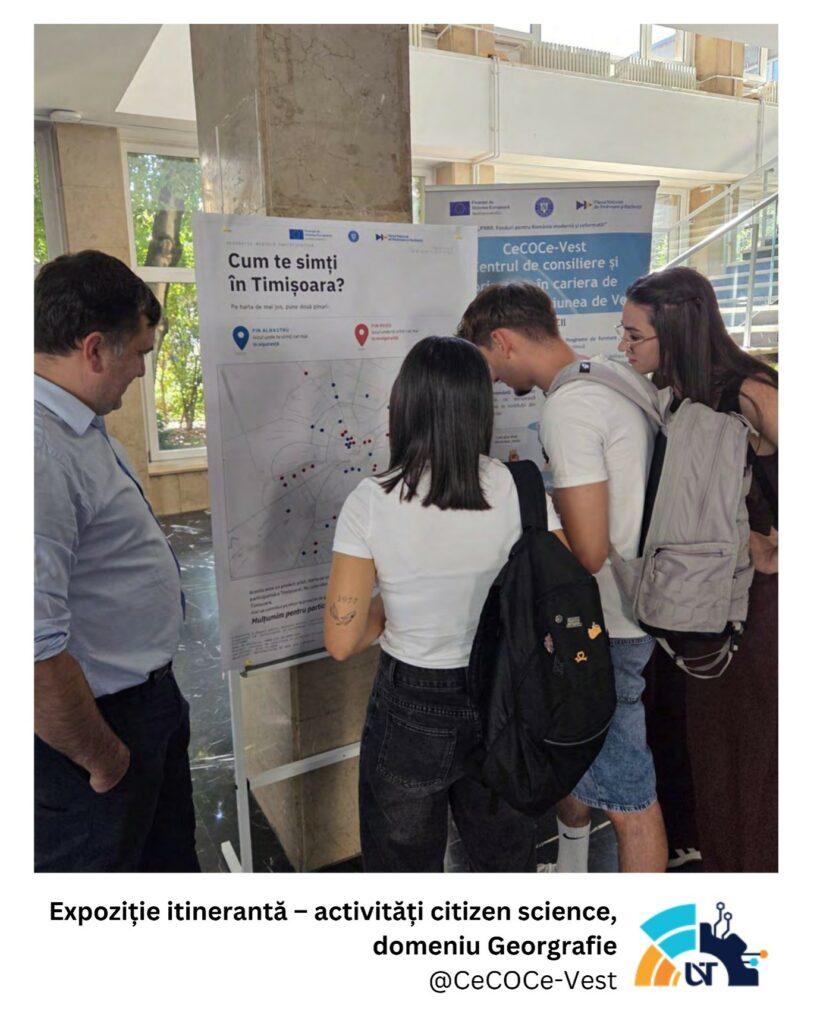
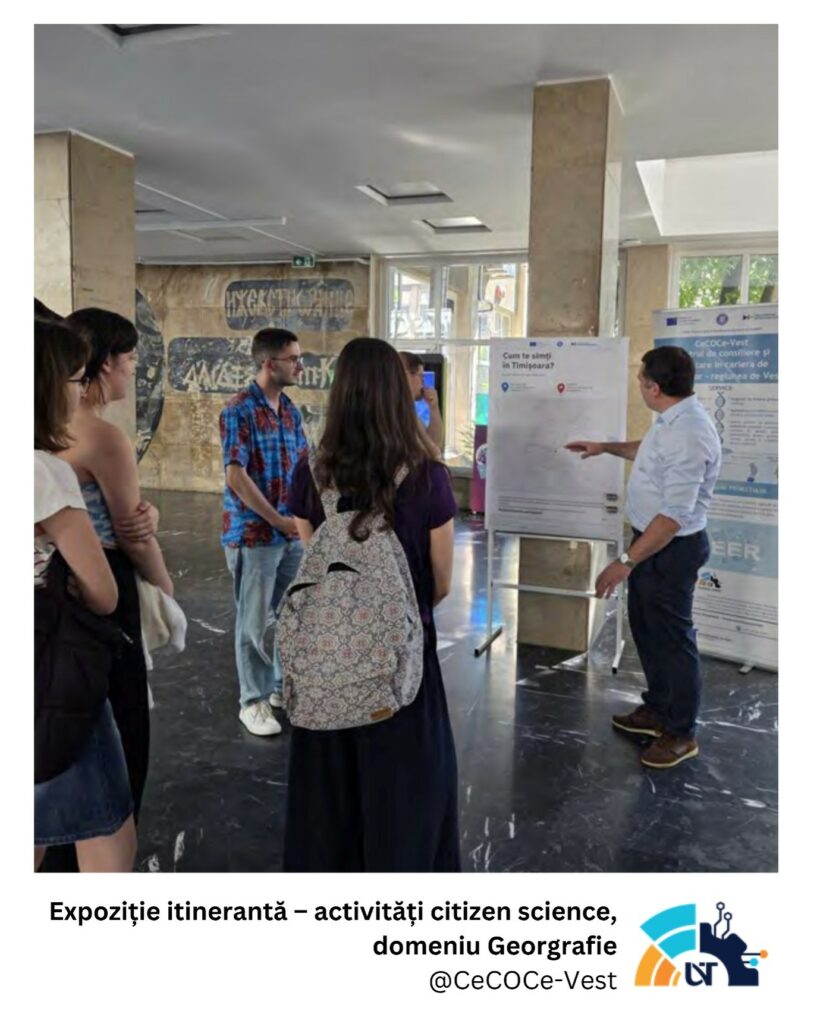
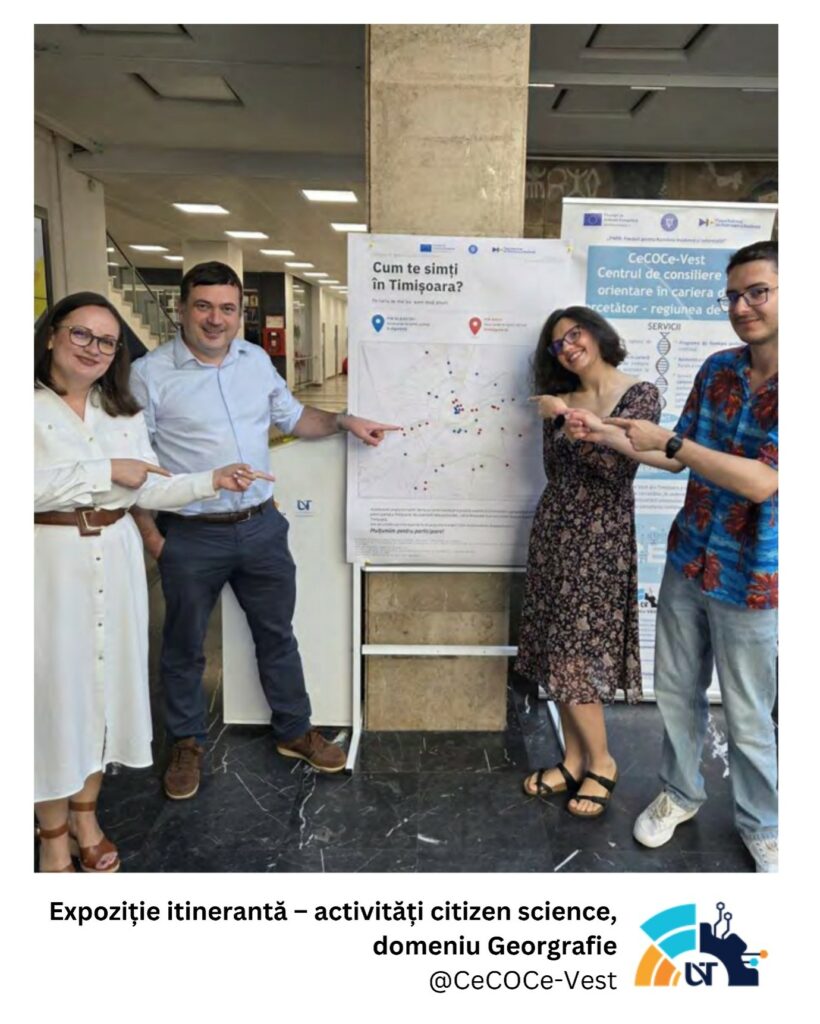
6. Traveling Exhibition – Citizen Science Activities, Field of Geography

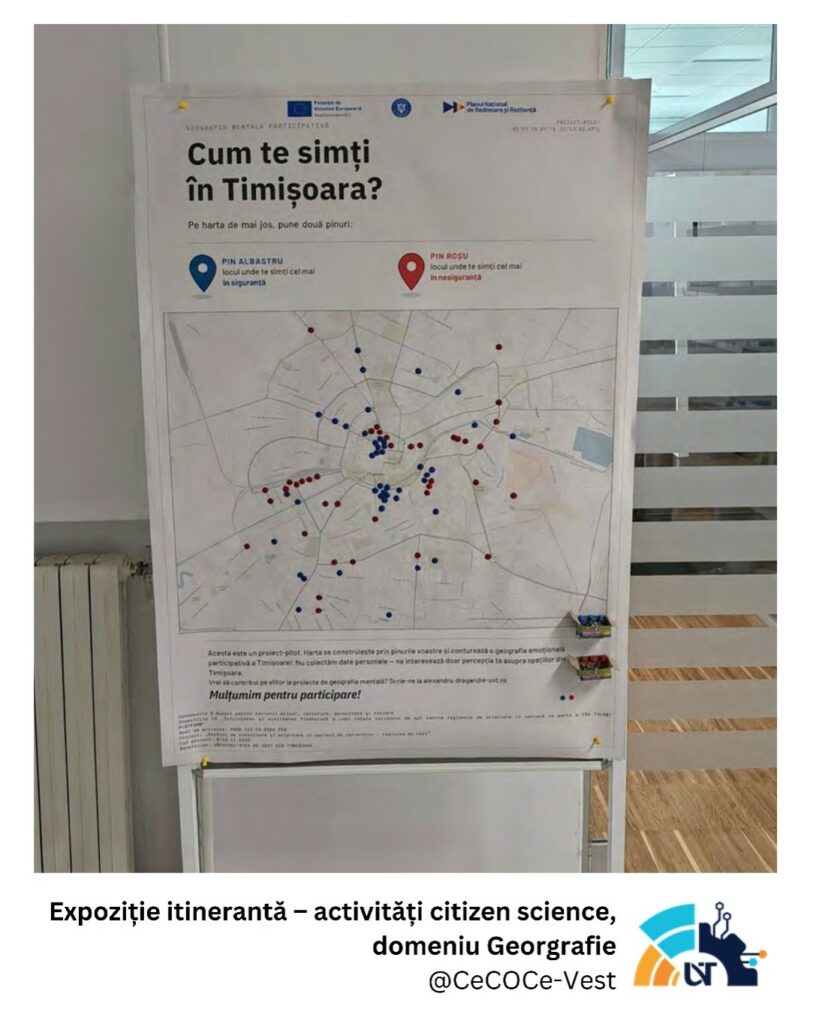
On June 29–30, 2026, a citizen science event was organized with the goal of actively involving participants in the process of observing, documenting, and interpreting elements of scientific relevance.

The initiative encouraged collaboration between researchers and the public, promoting an understanding of research methods and direct participation in the collection and analysis of information.The results obtained through this initiative served as the basis for a traveling exhibition, designed to highlight and disseminate the information and materials collected. The exhibition was intended to promote the results of the project, facilitate dialogue between the community and the research community, and increase public interest in science and research.

The exhibition attracted over 50 visitors and was displayed in the busiest areas of the West University of Timișoara.

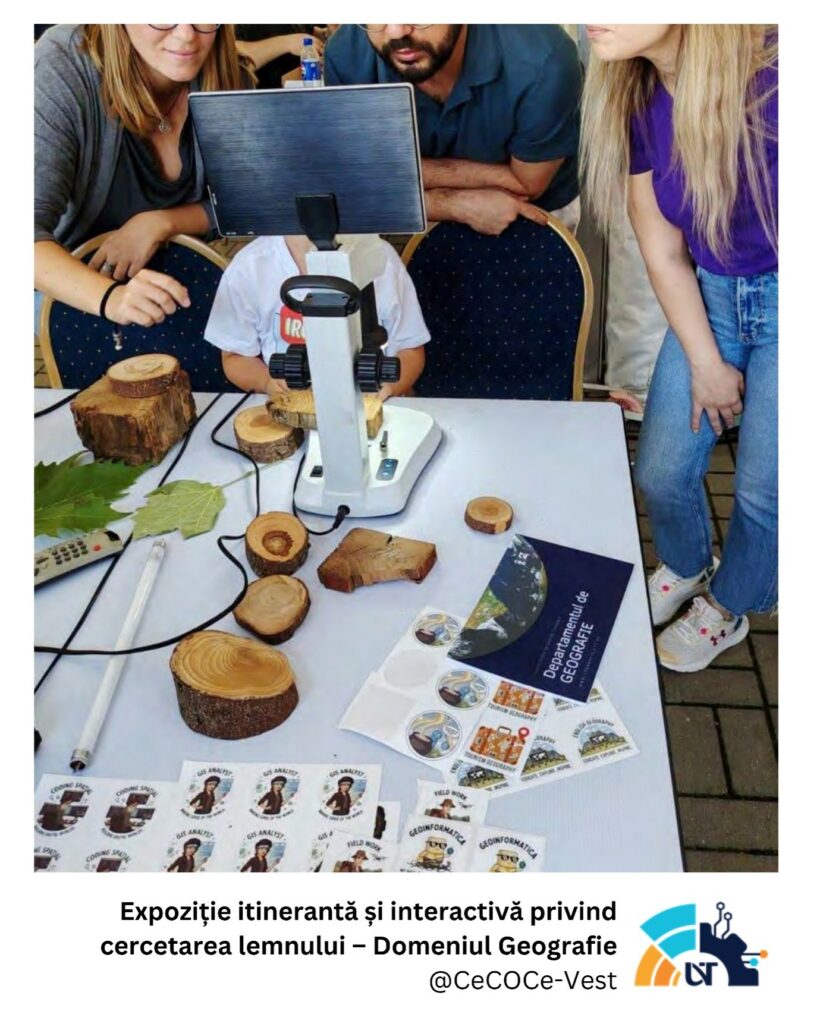
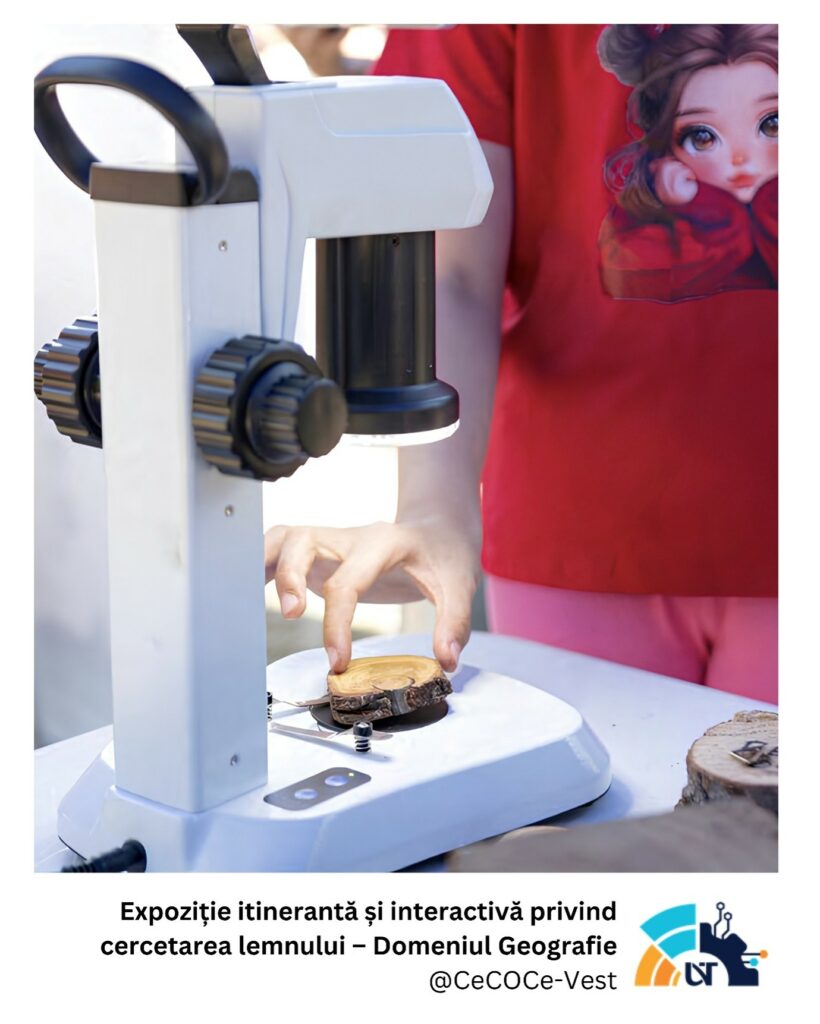
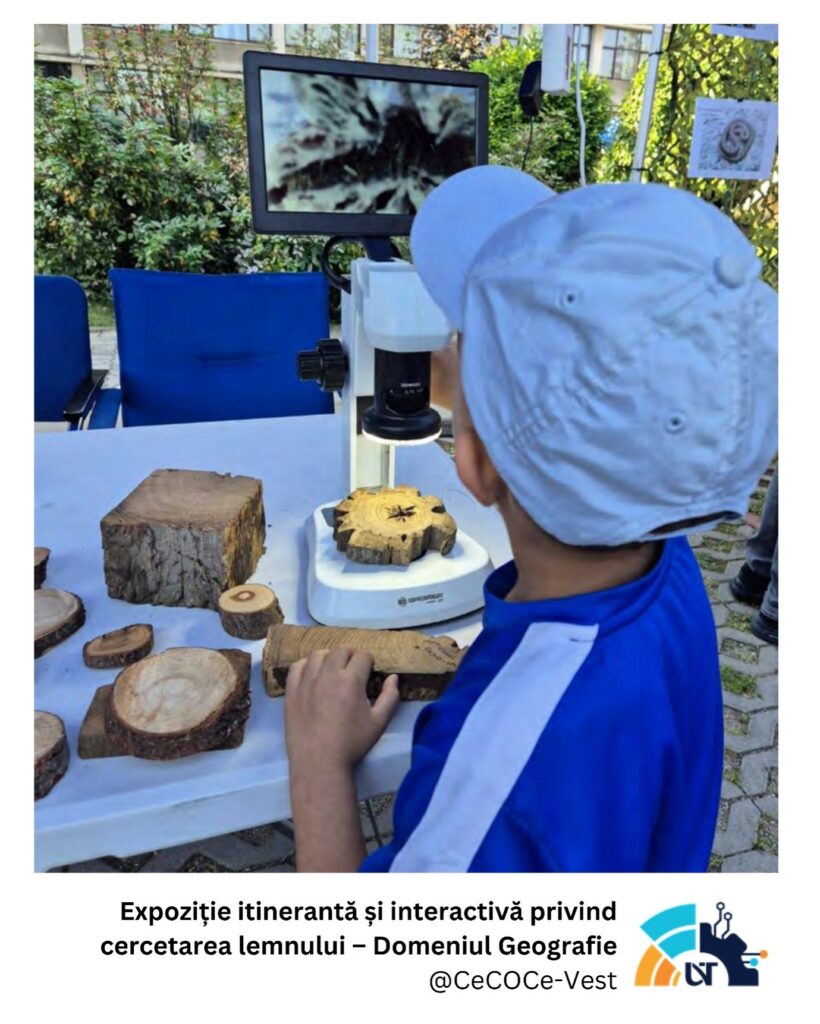
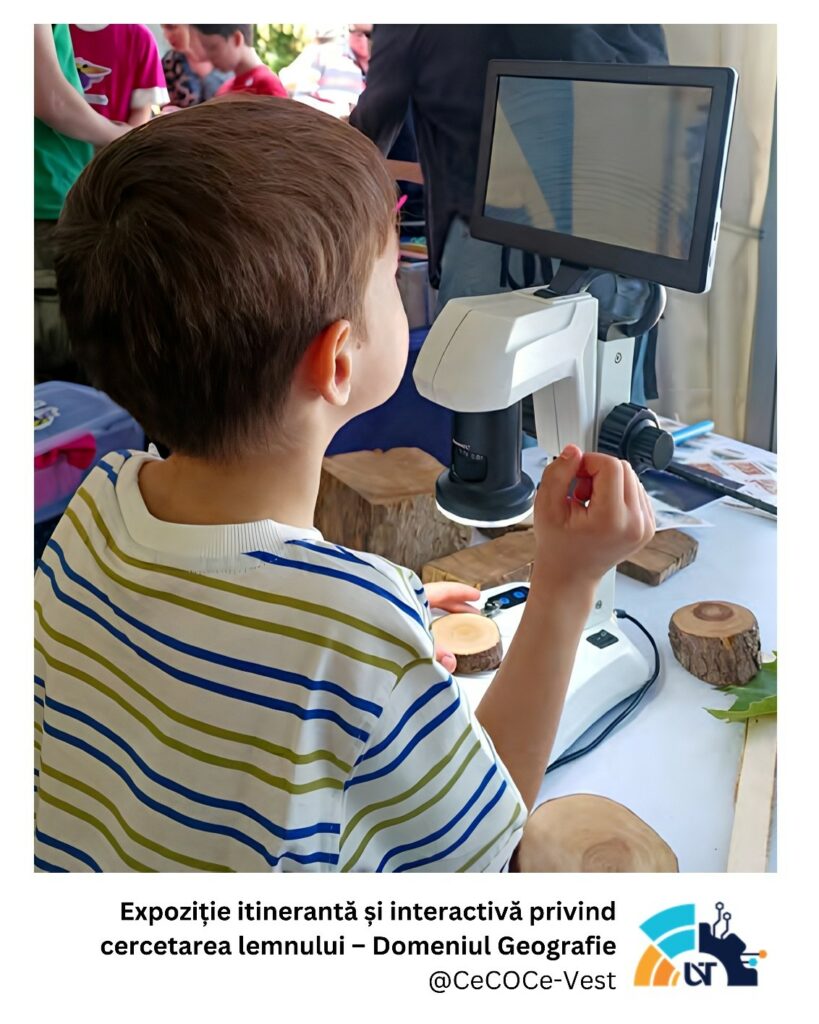
5. Traveling and interactive exhibition on wood research – Geography Department

The exhibition on wood research introduced the public to the methods used to analyze the structure and texture of wood, with a focus on estimating the age of trees and identifying the conditions under which they grew. Participants were introduced to the basic principles of dendrochronology, a discipline that uses the analysis of tree growth rings to obtain information about the trees’ past and environmental changes.

By examining the wood samples and display materials, visitors learned how the shape, thickness, and sequence of growth rings can provide information about the age of trees, favorable or unfavorable periods of growth, and changes in the surrounding environment.The experts’ explanations highlighted the connection between the characteristics of wood and factors such as temperature, precipitation, drought, and other environmental conditions.

The interactive nature of the exhibition allowed the public to directly observe the materials being analyzed and to understand the applicability of dendrochronology in environmental studies, climatology, geography, and heritage conservation. The event helped raise awareness of an interdisciplinary research method and fostered participants’ interest in the study of trees and environmental change.

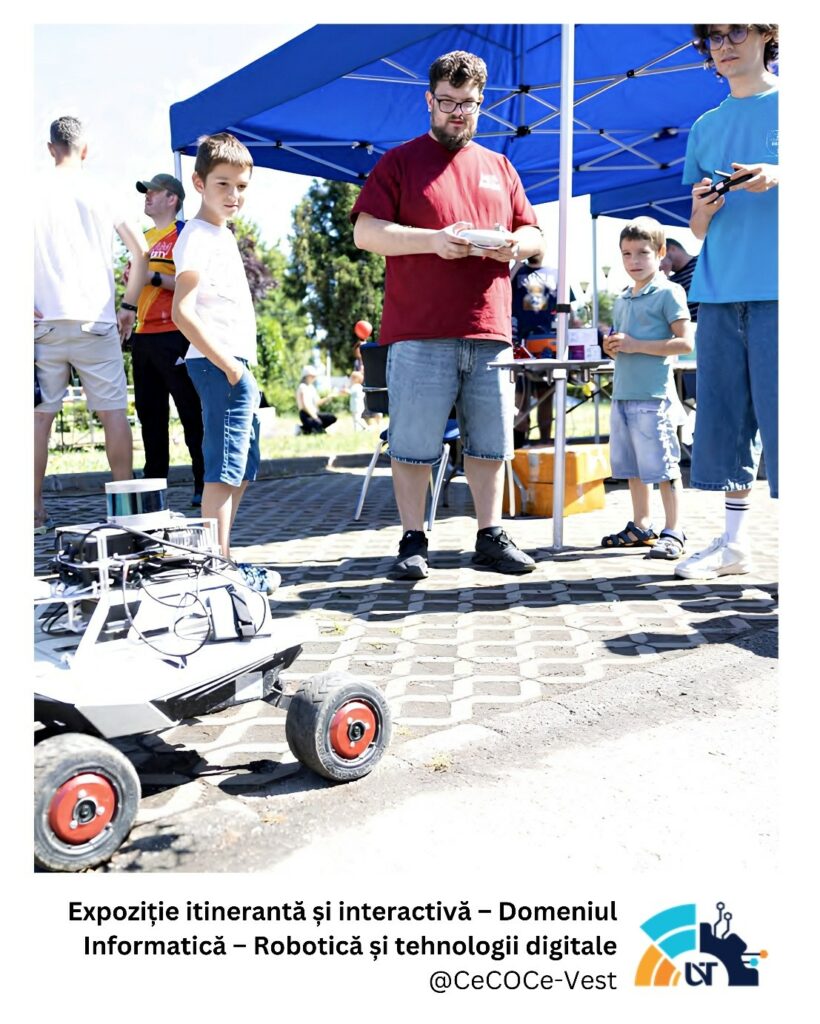
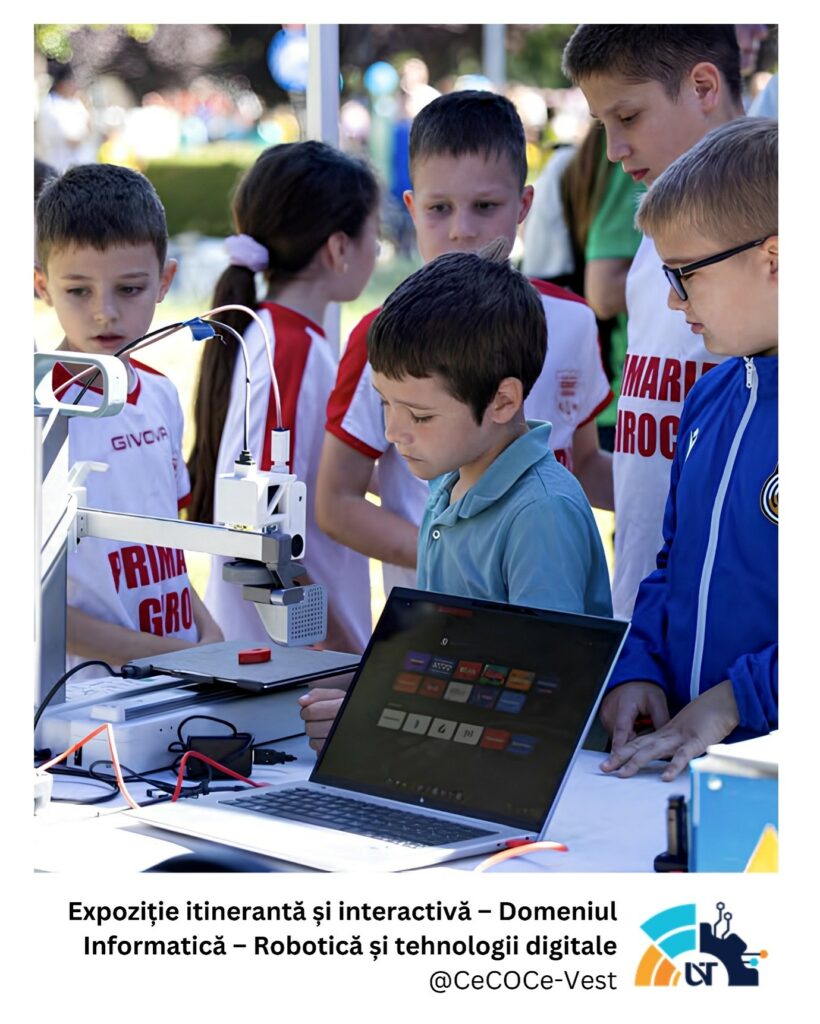
4. Traveling and Interactive Exhibition – Field of Computer Science, Robotics, and Digital Technologies

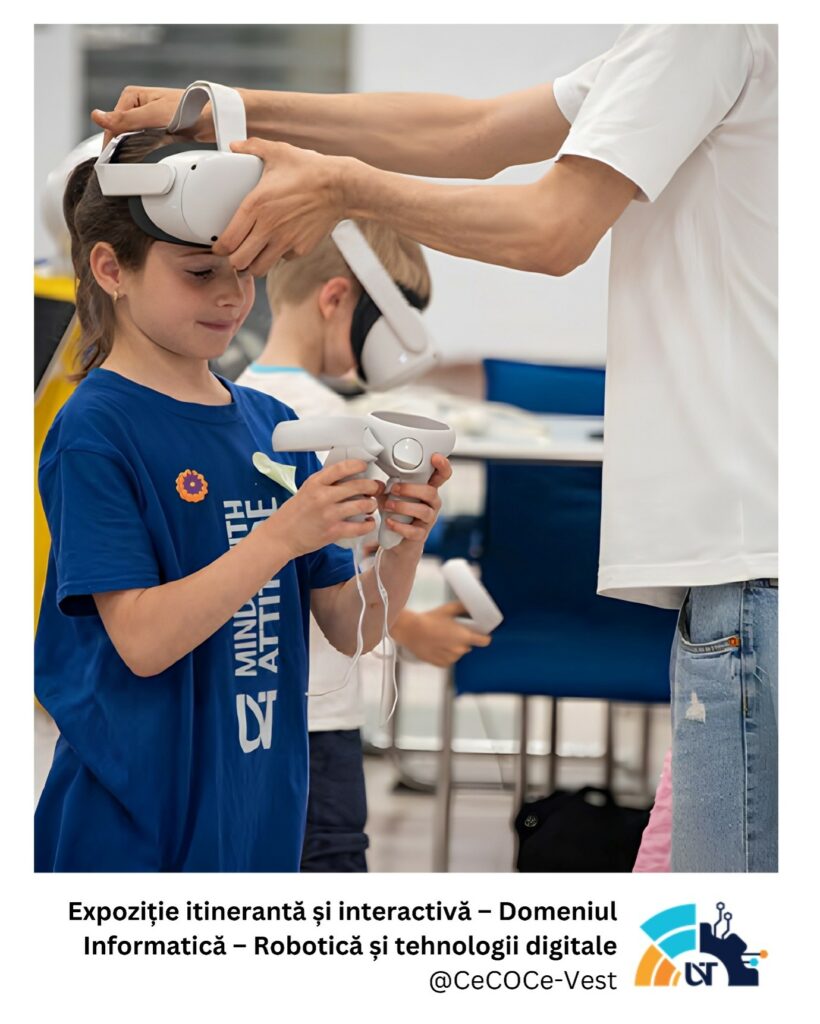
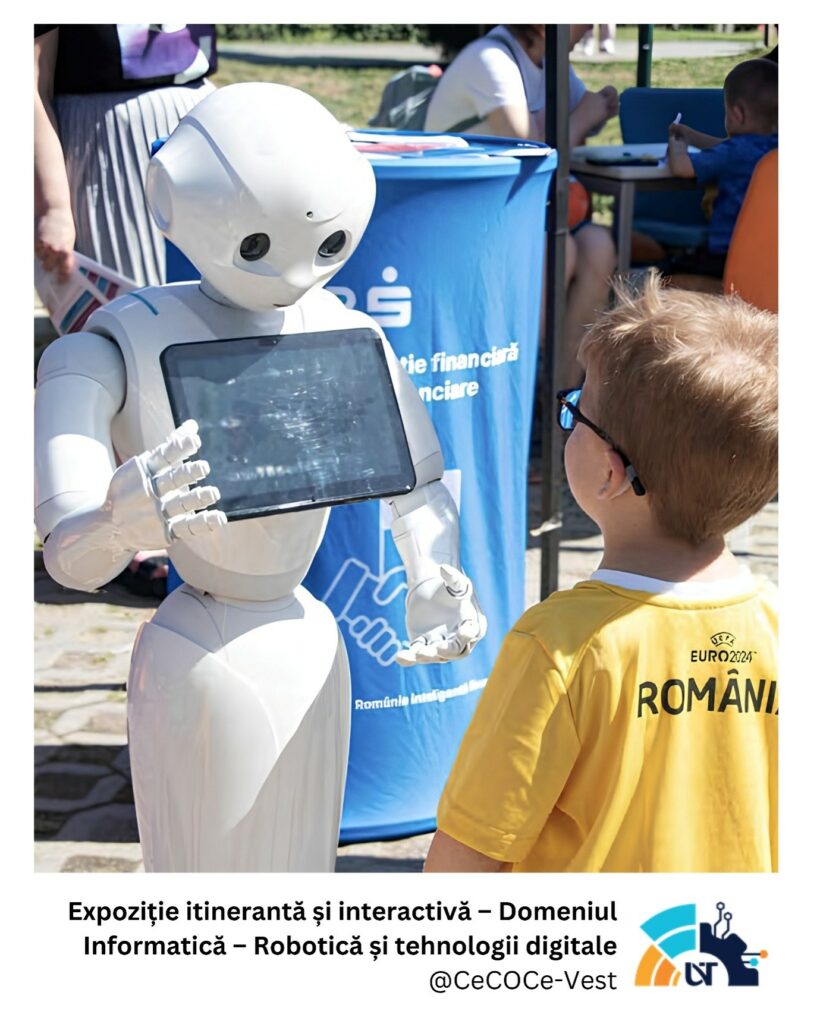
The interactive exhibition on robotics and digital technologies gave participants the opportunity to explore current applications in the fields of computer science, programming, automation, and smart technologies. The event was designed in an accessible and engaging format, particularly for children and young people, but also for the general public interested in new technologies.

The exhibition featured demonstrations of robots, 3D printers, drones, and computers running educational games and applications. Through this equipment, visitors were able to see how programmed instructions are transformed into concrete actions, such as moving a robot, performing automated tasks, creating a three-dimensional object, or controlling a digital device.

The demonstrations highlighted the practical and interdisciplinary nature of computer science, as well as the use of digital technologies in education, industry, research, and everyday life. Participants were encouraged to interact with the equipment, ask questions, and discover how it works.

The exhibition helped stimulate curiosity, logical thinking, and interest in STEM fields by presenting programming and robotics in a friendly and easy-to-understand way. At the same time, the event highlighted the importance of digital skills and the responsible and creative use of technology.
3. Traveling and Interactive Exhibition – History and Archaeology

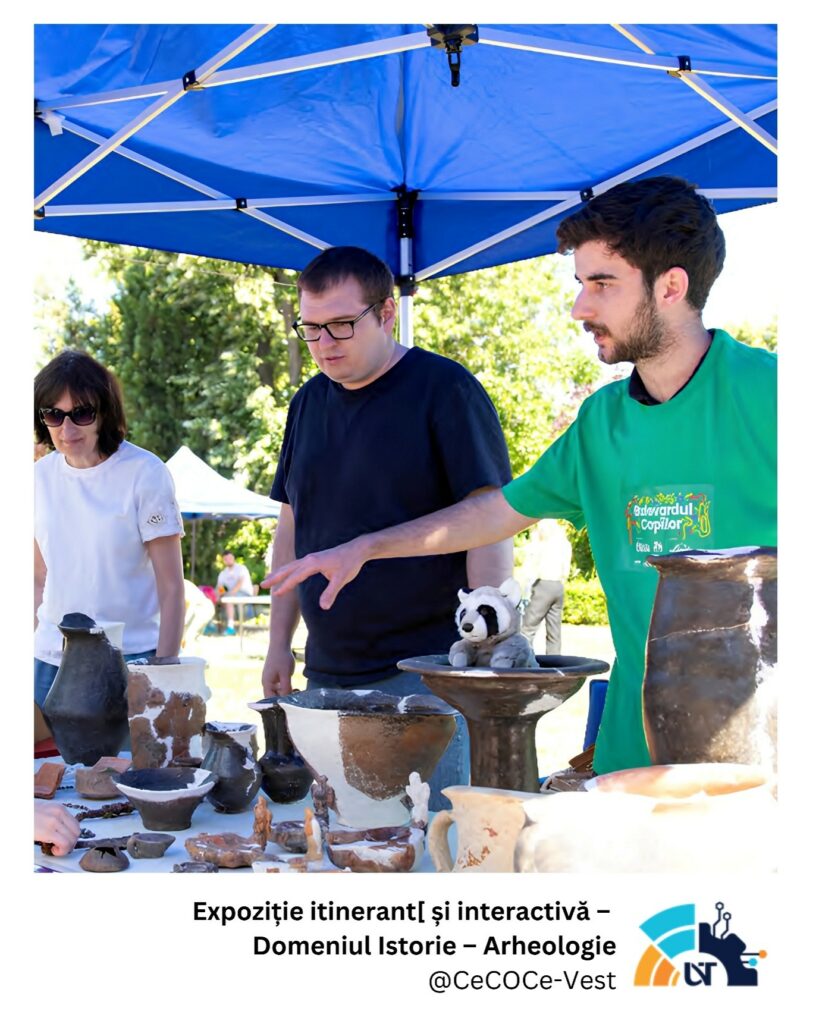
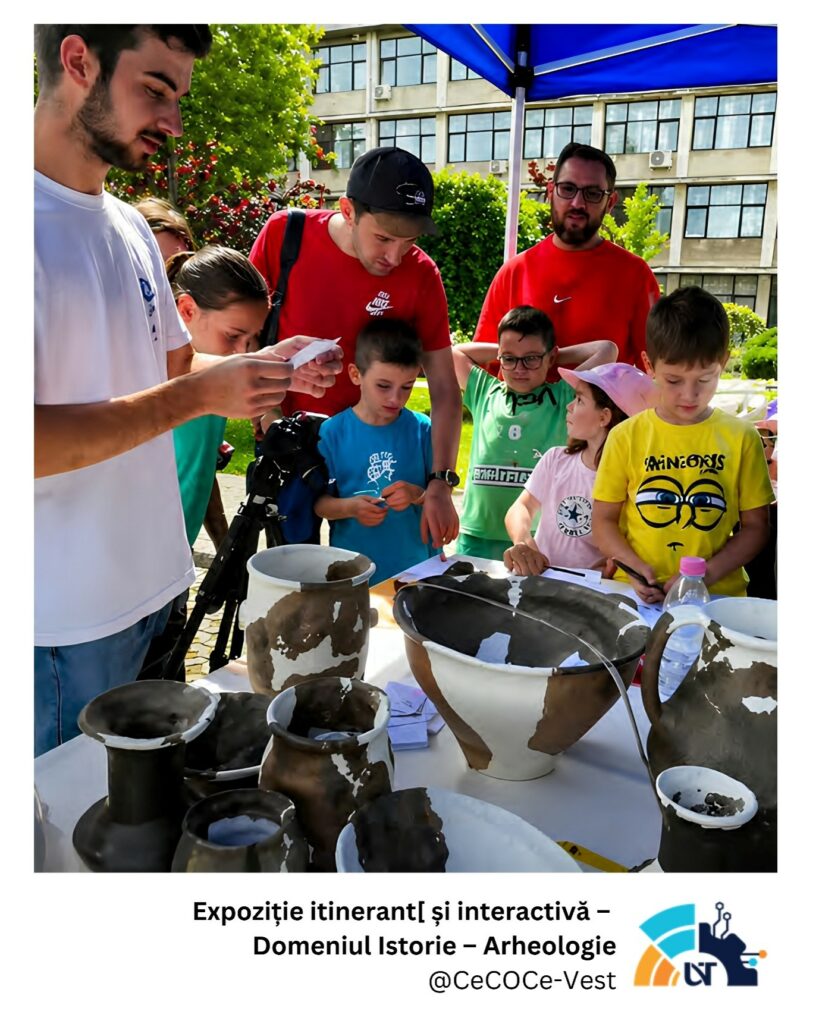
The interactive archaeology exhibition brought together exhibits and materials representative of archaeological research. It featured specialized tools, documentary materials, reproductions, and artifacts used in hands-on demonstrations, through which visitors were able to discover the main stages of an archaeological investigation.

Participants were given an explanation of the methods used to identify, investigate, document, and interpret historical remains. They were able to observe the tools used by archaeologists and learned how the location, characteristics, and context in which an object is discovered are recorded. The exhibition highlighted the fact that archaeological research involves not only the discovery of artifacts, but also the careful analysis of the relationship between them and the environment in which they were found.

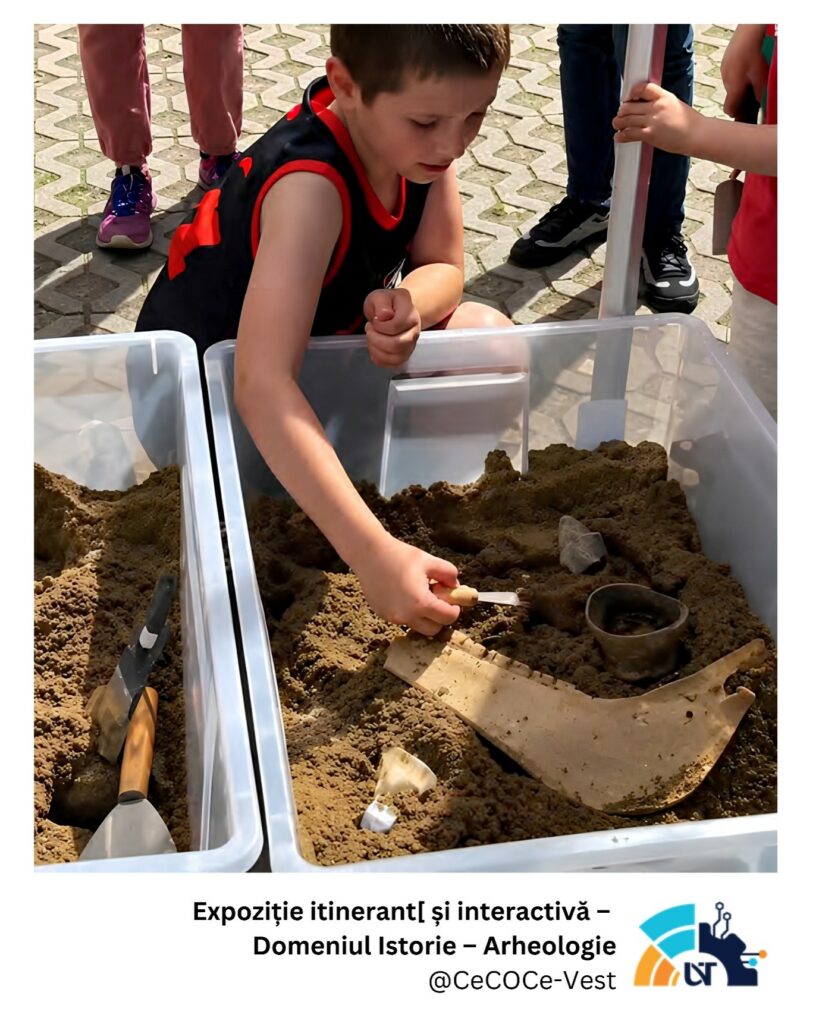
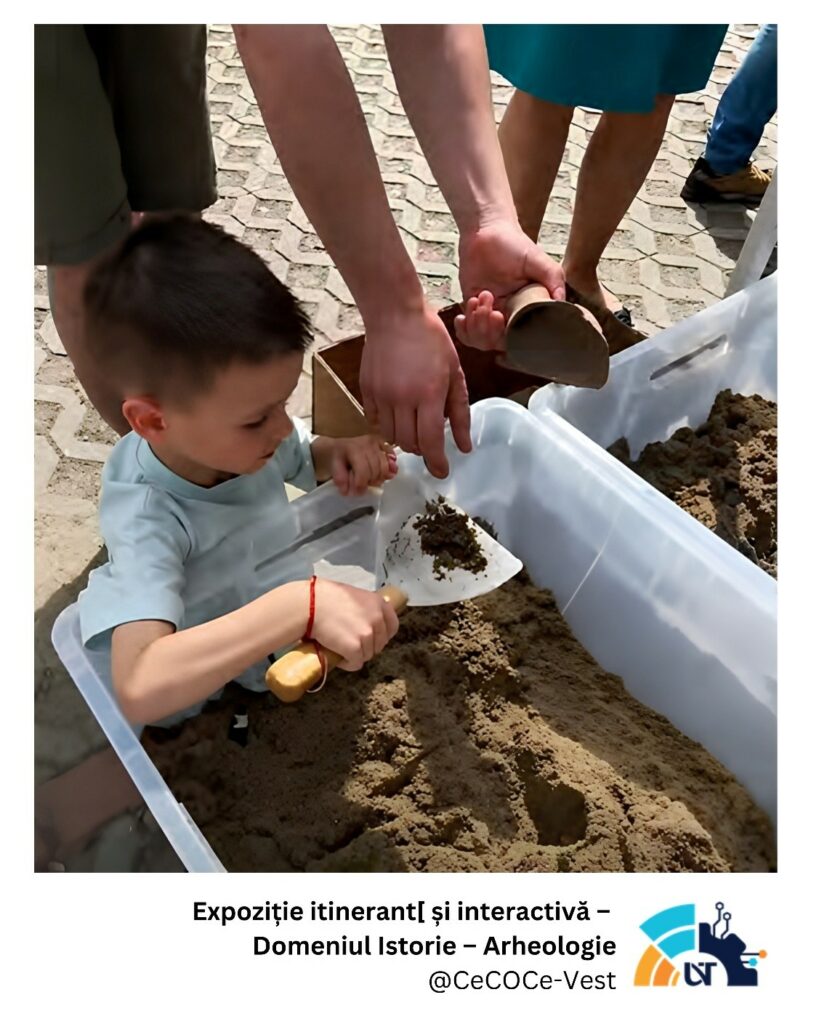
An important part of the event was a simulated archaeological excavation. By participating in this demonstration, visitors experienced—in a way tailored to the general public—the process of identifying and excavating artifacts, as well as the need to handle and carefully document the finds.

The event helped foster an interest in history, cultural heritage, and research into the past, offering participants a concrete insight into the profession of archaeology. The exhibition also highlighted the importance of protecting and promoting cultural heritage and of using rigorous scientific methods in its study.

2. Traveling Exhibition – Arts and Design

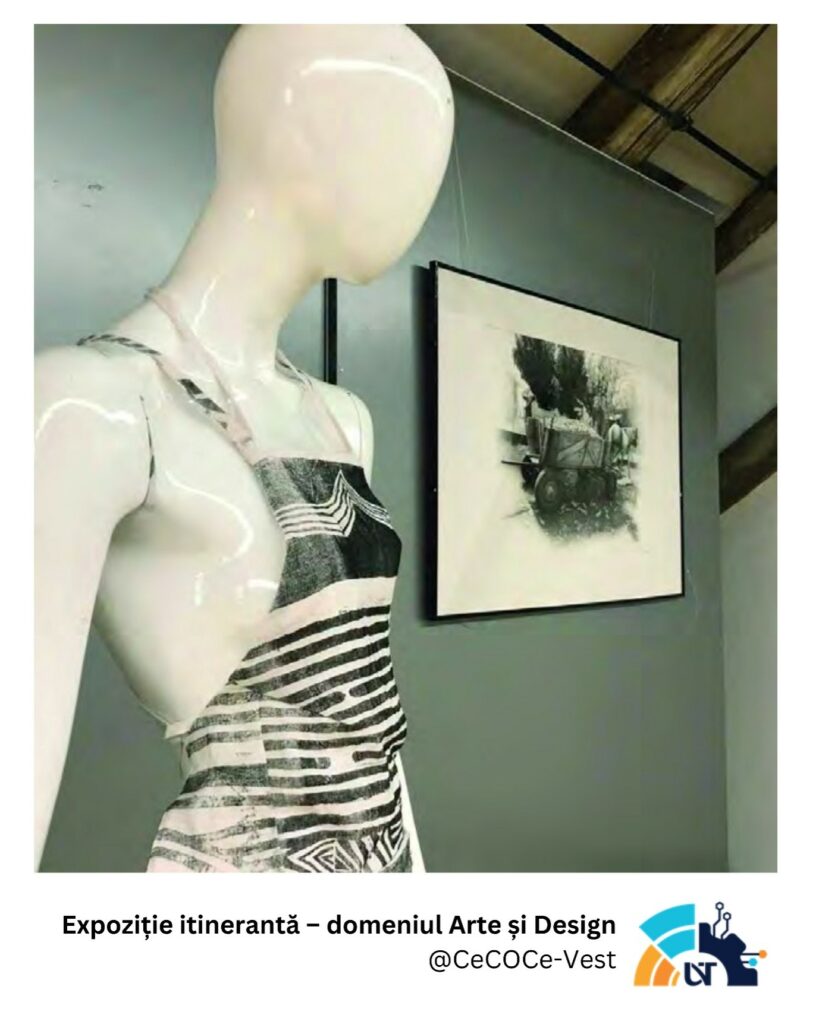
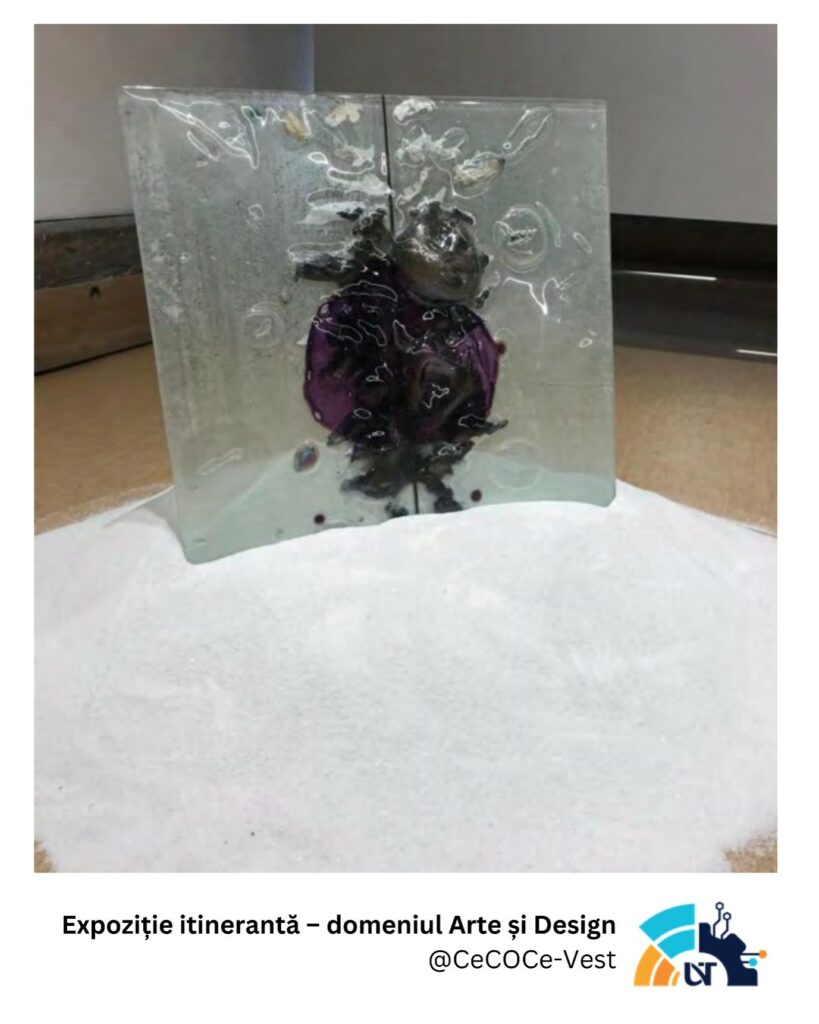
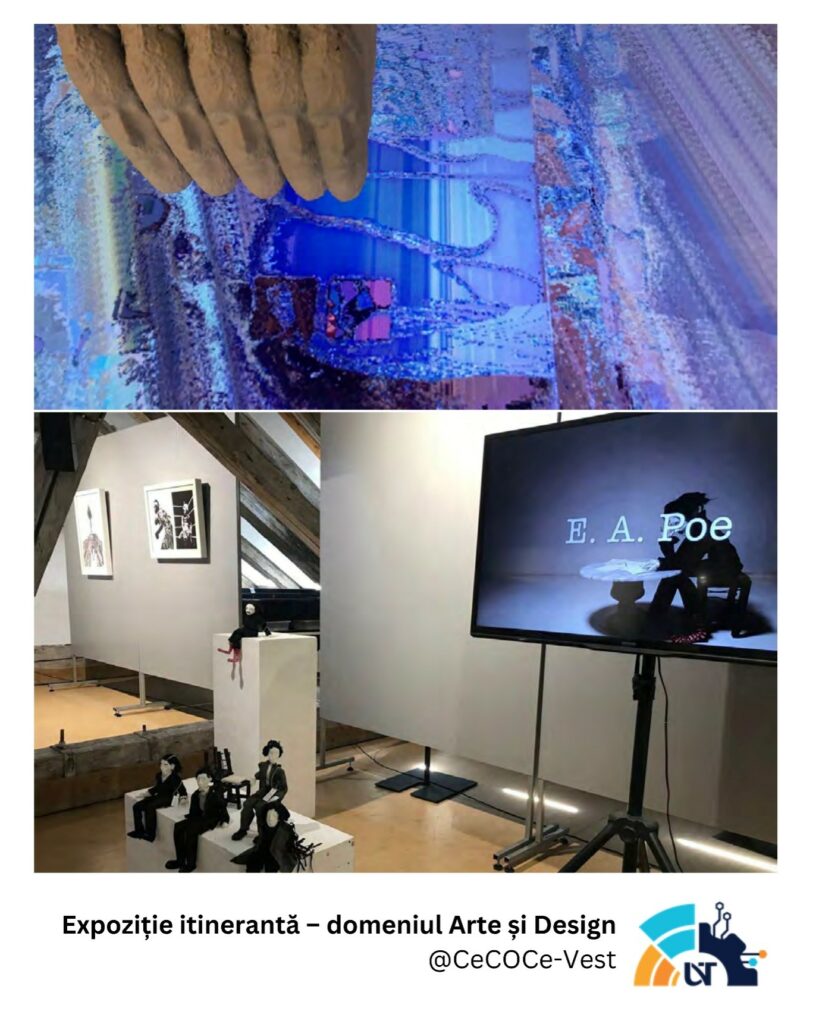
The Doctoral Students’ Exhibition of the Doctoral School of Arts, organized by the Faculty of Arts and Design at the West University of Timișoara, showcases the results of artistic research conducted by doctoral students, offering the public access to a selection of representative works and fostering dialogue between the academic community, the artistic community, and the interested public. The exhibition attracted over 30 visitors—including students, faculty members, and members of the public interested in art—and was held in the attic of the Faculty of Arts and Design at the West University of Timișoara.

1. Traveling Exhibition – Arts and Design

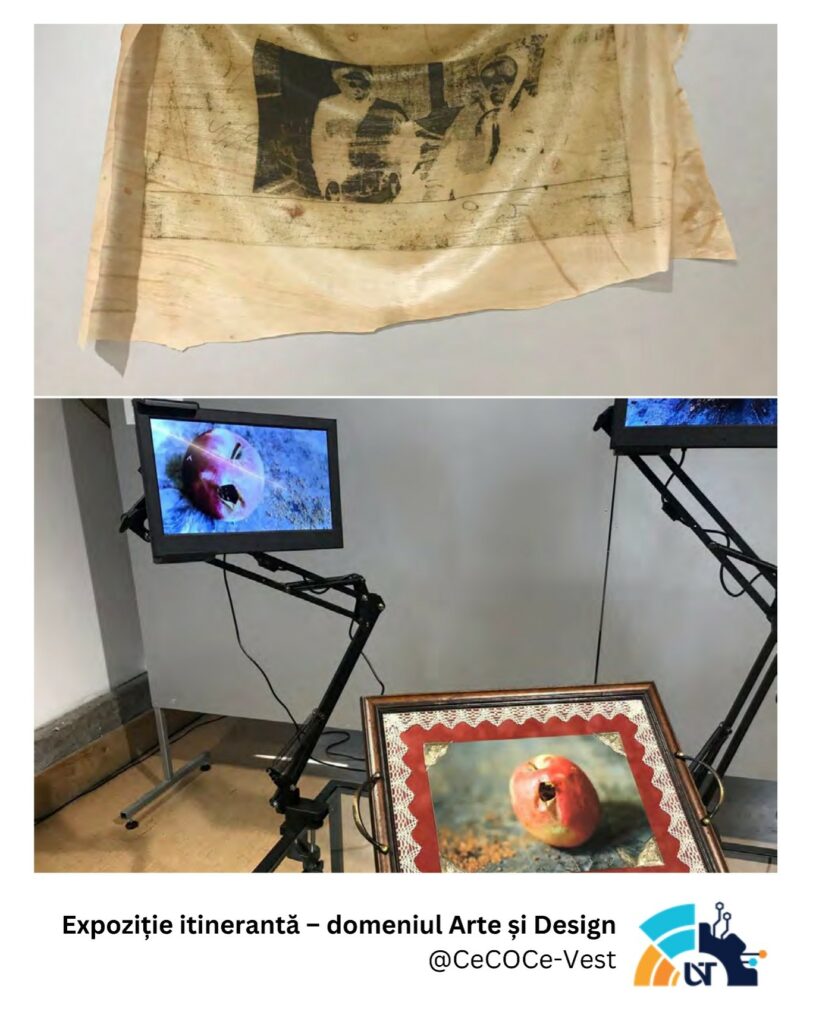
The Doctoral Students’ Exhibition of the Doctoral School of Arts, organized by the Faculty of Arts and Design at the West University of Timișoara, showcases the results of artistic research conducted by doctoral students, offering the public access to a selection of representative works and fostering dialogue between the academic community, the artistic community, and the interested public. The exhibition attracted over 30 visitors—including students, faculty members, and members of the public interested in art—and was held in the attic of the Faculty of Arts and Design at the West University of Timișoara.